

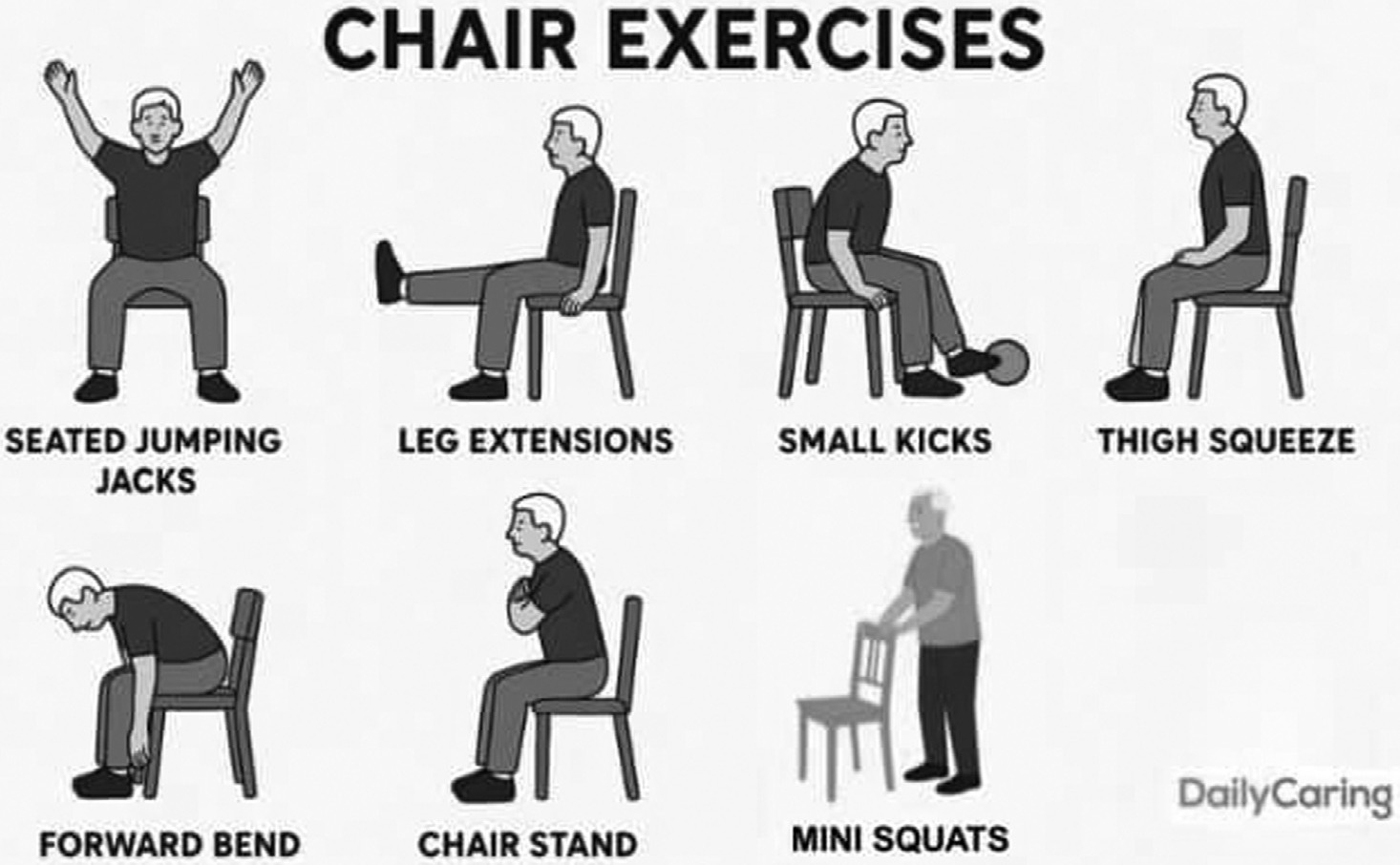
Regular physical activity is one of the most important things you can do for your health. Adults need at least 150 minutes of moderate-intensity physical activity each week. This could be 22 minutes every day, 30 minutes 5 days a week, or any other combination that works for you.
Staying motivated to move more can be tough— especially when time is limited. The key is to get creative with your daily routine. Start small by taking five-minute movement breaks during the day, like going for a quick walk or doing simple exercises in your office. You can also park farther from your destination to sneak in extra steps.Opt for stairs over elevators when it’s safe to do so, and make the most of idle moments—like stretching while watching TV or doing bodyweight exercises while brushing your teeth. These small changes can add up and help make movement a natural part of your day.
“Consistency is key. It doesn’t need to be an hour long workout at the gym. It really can be a small change that leads to a big result over time.
A well-rounded wellness plan is key because physical activity doesn’t just benefit your body—it supports your mental and social well-being too. Moving your body can help clear your mind, ease stress, and even boost your mood.
• 1. Limit sugary drinks Sugary drinks like sodas, fruit juices, and sweetened teas are the primary source of added sugar in the Amercan diet . Unfortunately, findings from several studies point to sugarsweetened beverages increasing risk of heart disease and type 2 diabetes, even in people who are not carrying excess body fat . Sugar-sweetened beverages are also uniquely harmful for children, as they can contribute not only to obesity in children but also to conditions that usually do not develop until adulthood, like type 2 diabetes, high blood pressure, and non-alcoholic fatty liver disease. Healthier alternatives include: water, unsweetened teas, sparkling water and coffee.
• 2. Eat nuts and seeds Some people avoid nuts because they are high in fat. However, nuts and seeds are incredibly nutritious. They are packed with protein, fiber, and a variety of vitamins and minerals. Nuts may help you lose weight and reduce the risk of developing type 2 diabetes and heart disease. Additionally, one large observational study noted that a low intake of nuts and seeds was potentially linked to an increased risk of death from heart disease, stroke, or type 2 diabetes
• 3. Avoid ultra-processed foods Ultra-processed foods (UPFs) are foods containperformance. ing ingredients that are significantly modified from their original form. They often contain additives like added sugar, highly refined oil, salt, preservatives, artificial sweeteners, colors, and flavors as well. Examples include: snack cakes, fast food, frozen meals, packaged cookies, chips. UPFs are highly palatable, meaning they are easily overeaten, and activate reward-related regions in the brain, which can lead to excess calorie consumption and weight gain. Studies show that diets high in ultra-processed food can contribute to obesity, type 2 diabetes, heart disease, and other chronic conditions. In addition to low quality ingredients like refined oils, added sugar, and refined grains, they’re usually low in fiber, protein, and micronutrients. Thus, they provide mostly empty calories.
• 4. Don’t fear coffee Despite some controversy over it, coffee is loaded with health benefits. It’s rich in antioxidants, and some studies have linked coffee intake to longevity and a reduced risk of type 2 diabetes, Parkinson’s and Alzheimer’s diseases, and numerous other illnesses. The most beneficial intake amount appears to be 3–4 cups per day, although pregnant people should limit or avoid it completely because it has been linked to low birth weight. However, it’s best to consume coffee and any caffeine- based items in moderation. Excessive caffeine intake may lead to health issues like insomnia and heart palpitations. To enjoy coffee in a safe and healthy way, keep your intake to less than 4 cups per day and avoid high-calorie, highsugar additives like sweetened creamer.\\ 5. Eat fatty fish Fish is a great source of highquality protein and healthy fat. This is particularly true of fatty fish, such as salmon, which is loaded with anti-inflammatory omega-3 fatty acids and various other nutrients. Studies show that people who eat fish regularly have a lower risk for several conditions, including heart disease, dementia, and inflammatory bowel disease
• 6. Get enough sleep. The importance of getting enough quality sleep cannot be overstated. Poor sleep can drive insulin resistance, can disrupt your appetite hormones, and reduce your physical and mental What’s more, poor sleep is one of the strongest individual risk factors for weight gain and obesity. People who do not get enough sleep tend to make food choices that are higher in fat, sugar, and calories, potentially leading to unwanted weight gain.
• 7. Stay hydrated.
Hydration is an important and often overlooked marker of health. Staying hydrated helps ensure that your body is functioning optimally and that your blood volume is sufficient. Drinking water is the best way to stay hydrated, as it’s free of calories, sugar, and additives. Although there’s no set amount that everyone needs per day, aim to drink enough so that your thirst is adequately quenched.
• 8. Don’t eat heavily charred meats Meat can be a nutritious and healthy part of your diet. It’s very high in protein and a rich source of nutrients. However, problems occur when meat is charred or burnt. This charring can lead to the formation of harmful compounds that may increase your risk for certain cancers.When you cook meat, try not to char or burn it. Additionally limit your consumption of red and processed meats like lunch meats and bacon as these are linked to overall cancer risk and colon cancer risk.
• 9 Eat plenty of fruits and vegetables.
Vegetables and fruits are loaded with prebiotic fiber, vitamins, minerals, and antioxidants, many of which have potent health effects. Studies show that people who eat more vegetables and fruits tend to live longer and have a lower risk for heart disease, obesity, and other illnesses.
• 10 Don’t smoke or usedrugs, and only drink in moderation.
Smoking, harmful use of drugs, and alcohol abuse can all seriously negatively affect your health. If you do any of these actions, consider cutting back or quitting to help reduce your risk for chronic diseases. There are resources available online — and likely in your local community, as well — to help with this. Talk with your doctor to learn more about accessing resources.
A few simple steps can go a long way toward improving your eating patterns and wellness. Still, if you’re trying to live a healthier life, do not just focus on the foods you eat. Exercise, sleep, and social relationshipsare also important. With the evidence- based tips above, it’s easy to introduce small changes that can have a big impact on your overall health.