
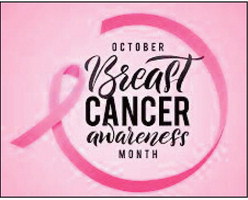
Every October, the nation observes National Breast Cancer Awareness Month. Breast cancer is a disease that affects both men and women and is among the most common cancers. According to the National Breast Cancer Foundation, 1 in 8 women will develop invasive breast cancer in her lifetime. Next year, new breast cancer diagnoses are expected to number more than 200,000 for women and more than 2,000 for men.
In a global effort to raise awareness on breast cancer, October has been designated as the Pink Month. The Pink Month is a month where efforts to educate those concerned about the disease, including early identification and signs and symptoms associated with breast cancer.
During Breast Cancer Awareness Month in October and throughout the year—people wear pink ribbons to honor survivors, remember those lost to the disease, and to support the progress we are making together to defeat breast cancer.
Early detection is key.There are many steps you and your loved ones can take to improve your chances of staying healthy: Conduct monthly self-exams. In addition to medical screenings, the National Breast Cancer Foundation and many medical professionals recommend a monthly self-exam. To learn how to do a breast self-exam, check out this self-exam guide offered by NationalBreastCancer. org.
Quit smoking. According to the National Cancer Institute (NCI), smoking is a significant risk factor for breast and many other types of cancer. Non-smokers are at lower risk than smokers regardless of your age or how long you have been a smoker.
Exercise more. Regular exercise and a healthy diet can also lower your risk factors.The earliest symptoms of breast cancer, however, are often better felt than seen, hence being aware of one’s breast by regular examination by self or a clinician, can help detect sudden changes that warrant further investigation.
One needs to know about other signs of cancer that need immediate attention.These are: 1. Change in the size or shape of the breast It’s common for breasts to swell and feel painful prior to a period. But if you notice a change in the size of one breast in particular, it’s probably best to consult your doctor about it.
2. Nipple discharge Any discharge from the breast that’s watery, bloody or milky, in a person who isn’t breastfeeding, needs a complete evaluation.
3. Pulling in of the nipple (inverted nipple) Although many people have flat or inverted nipples as a normal feature, if you notice that your nipples are pointing inwards instead of outward of late, consult your doctor.
4. Redness or flaky skin in the nipple or breast This could be the first sign of breast cancer affecting the nipple, referred to as Paget’s disease. Flaky skin could also be a result of skin conditions like eczema and atopic dermatitis, hence it doesn’t always point towards cancer, but demands an evaluation by a doctor.
5. Irritation or dimpling of the breast skin If the skin of your breast appears puckered, you need immediate evaluation to determine the cause.
Mammogram: This is an X-ray of the breast and is considered the best way to detect cancer early, much before the lump is big enough to feel or cause symptoms. A mamogram should be taken yearly. Consult your physician.